How long does a retail render actually take?
Traditional 3D visualization runs three to ten days per image. Here is where that time goes, and what changes when the render itself takes thirty seconds.

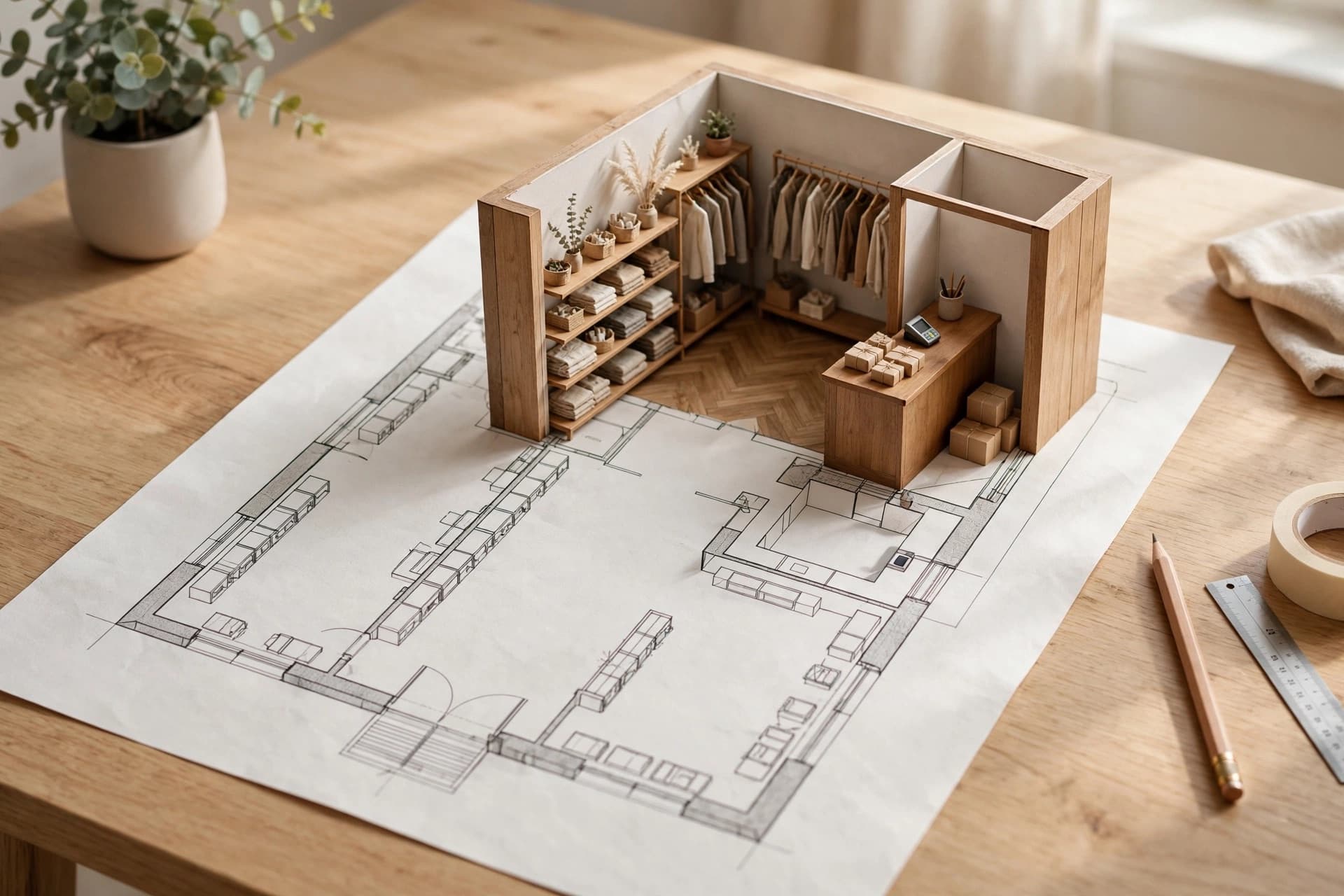
Ask a visualization studio for a retail interior and you will be quoted somewhere between three and ten working days for the first image. That number surprises people, because the render itself — the part where a machine computes light — is usually a couple of hours overnight. The days go somewhere else.
Where the time actually goes
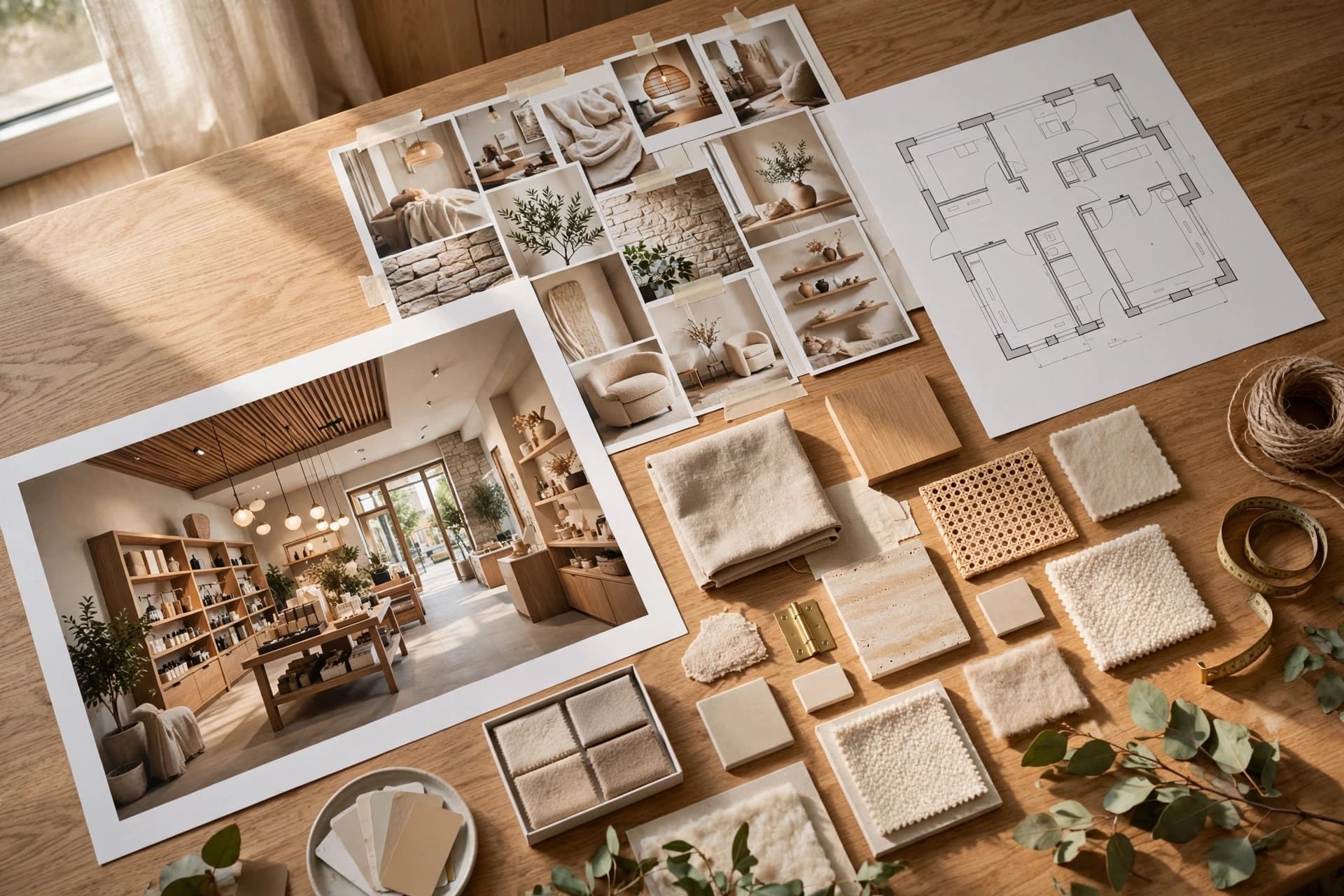
- Briefing and reference gathering: half a day to a day.
- Modelling the shell from the plan: one to three days.
- Materials, fixtures and asset sourcing: one to two days.
- Lighting and camera setup: half a day to a day.
- The render itself: two to eight hours, usually overnight.
- Post-production: half a day.
- One round of revisions: one to three days, because most changes mean re-rendering.
Almost none of that is computation. It is human setup, and it is charged accordingly — €400 to €1,500 per image is a normal European range for retail interiors, more for hero shots.
What the cost structure does to the design process
When an image costs a week and a four-figure sum, you commission it once, late, for the final concept. Which means the whole exploratory phase of a project happens in words, plans and mood boards — the formats that clients read worst.
The expensive part of a slow render is not the invoice. It is the five ideas that never got visualized because nobody would pay to look at them.
What thirty seconds changes
When an image takes about thirty seconds and costs a credit, it stops being a deliverable and becomes a way of thinking. Three practical consequences:
- 1Options get rendered instead of described. You bring three directions to the first meeting rather than one.
- 2Revisions happen live. "What if the counter were on the other side?" gets answered before the client has finished the sentence.
- 3Being wrong is cheap. Most of the value is in the four renders you discard.
Where a studio is still the right call
This is not an argument that traditional visualization is obsolete. For a flagship hero image that will run as a campaign asset, for animation, for anything requiring exact product geometry from a manufacturer's CAD, a studio is still the right answer. The honest framing is that the two do different jobs:
- AI renders: exploration, client alignment, pitching, iteration, volume.
- Studio renders: final hero imagery, campaign assets, exact-geometry work, motion.
Most projects need a lot of the first and one or two of the second. The mistake is paying studio prices for exploration.
A note on what you are comparing
One caveat worth stating plainly: a thirty-second render and a ten-day render are not the same artifact. The fast one is excellent at communicating intent — layout, mood, materials, feel — and it is not a construction document. Use it for the conversation, and keep drawings for the build.